AgriHub

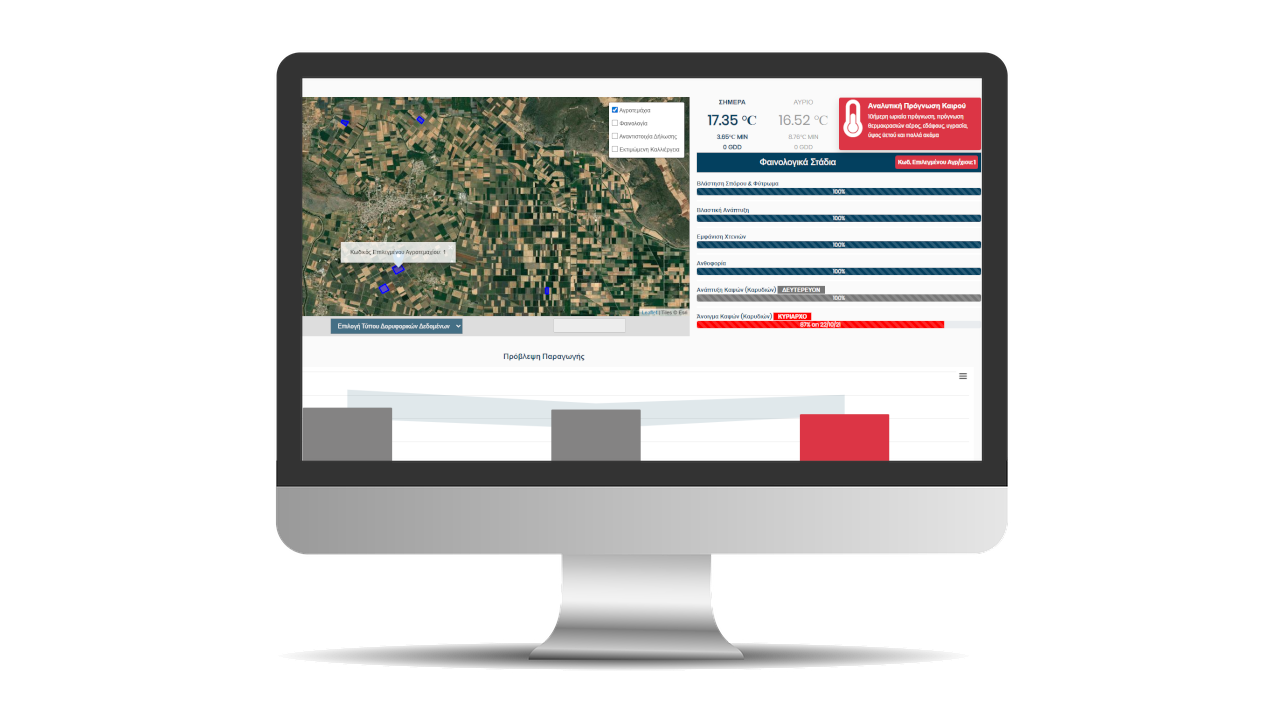
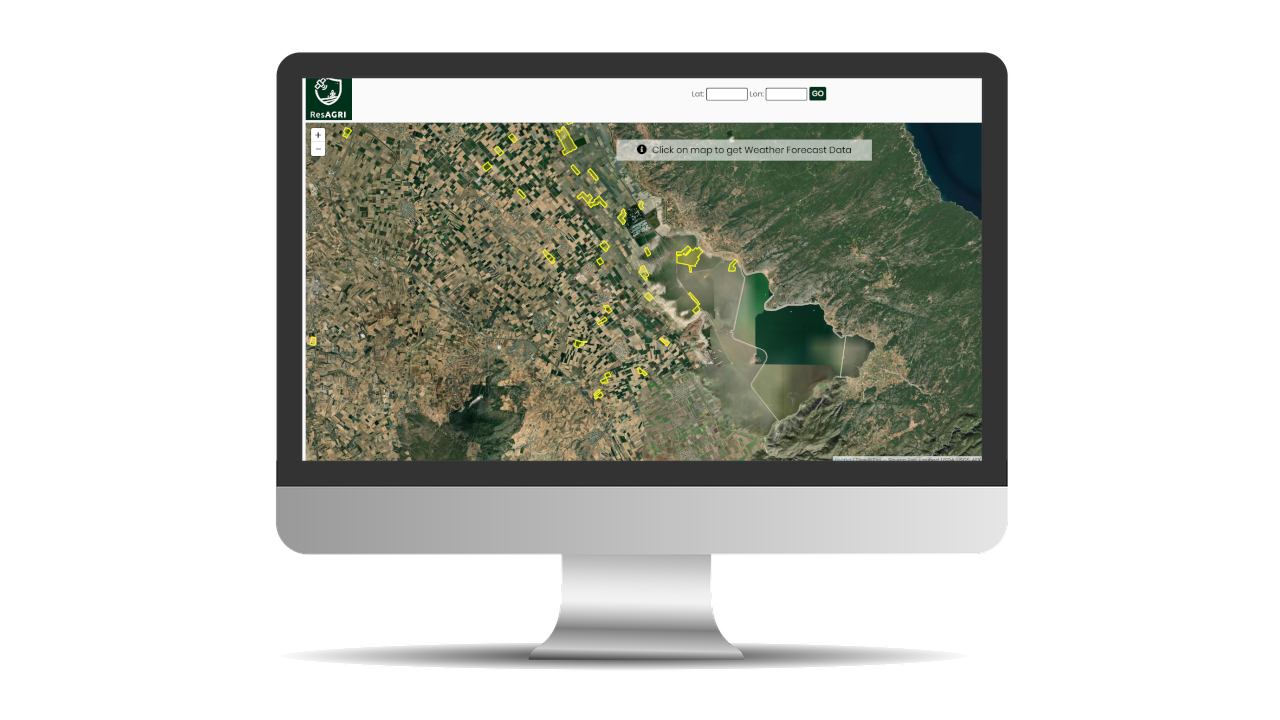
The Agriculture Research Domain (AgriHUB) advances an integrated scientific and technological agenda in artificial intelligence and big data for Earth Observation, aiming to understand agro-ecosystems and develop applications that support agricultural and food-system sustainability. Its work aligns with the European Green Deal, the Sustainable Development Goals (SDGs), and the Common Agricultural Policy by addressing the interdependencies between food production, agricultural performance, and natural resource sustainability.
By combining Earth Observation, Artificial Intelligence (i.e. computer vision, multimodal data fusion and causal inference) the domain develops digital systems capable of assessing agricultural performance, monitoring compliance with sustainable farming policies, and estimating the impacts of land-use, climate, and management interventions on production systems, from soil condition to crop status and agricultural resilience. Research activities range from predicting soil properties, organic carbon, and pathogen occurrence using satellite data, to classifying crop types and management practices across space, quantifying water use and freshwater resource demand, and assessing the effects of agricultural recommendations and interventions through causal machine learning.
The research direction of AgriHUB is structured around two complementary technological pillars:
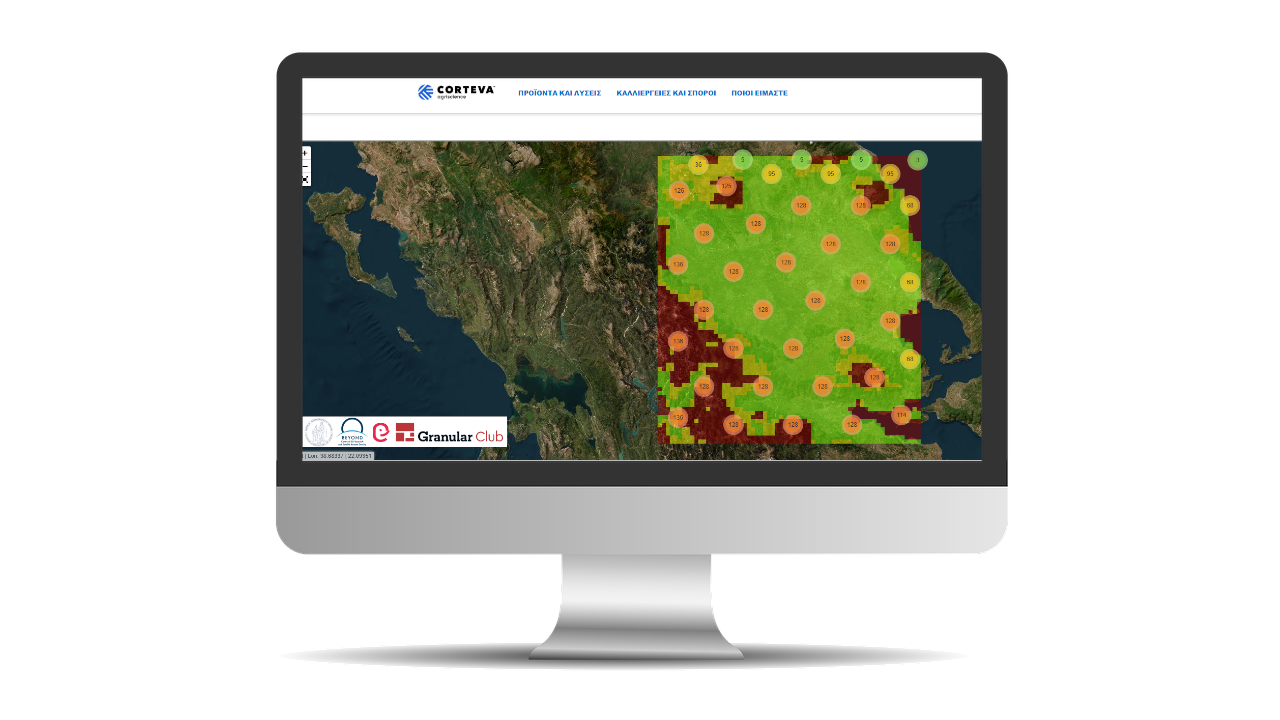
The first pillar focuses on Deep Learning for Earth Observation-based detection and monitoring tasks, including crop classification, change detection, cloud gap-filling, agricultural intensification mapping, and the identification of land-management practices and field events such as sowing, tillage, grazing, mowing, harvesting, and stubble burning. These methods exploit dense satellite image time series, optical and SAR data, and multimodal data fusion to generate precise agricultural maps and detect interventions taking place on agricultural fields.
The second pillar focuses on causal inference, with an emphasis on leveraging machine learning to address methodological challenges in observational studies, to estimate the effects of different practices and interventions, particularly in environmental and agricultural contexts. This includes defining causal graphs that represent the complex relationships between agricultural systems, management interventions, environmental drivers, and boundary conditions; estimating the impact of possible drivers on agricultural resilience; and evaluating recommendations for management interventions through explainable and causal AI. In this framework, Deep Learning-based detection of agricultural practices can serve as a first step for identifying interventions, while causal inference methods are used to assess their impacts and support evidence-based decision-making. This interdisciplinary foundation bridges agronomy, environmental science, Earth Observation, and Artificial Intelligence.
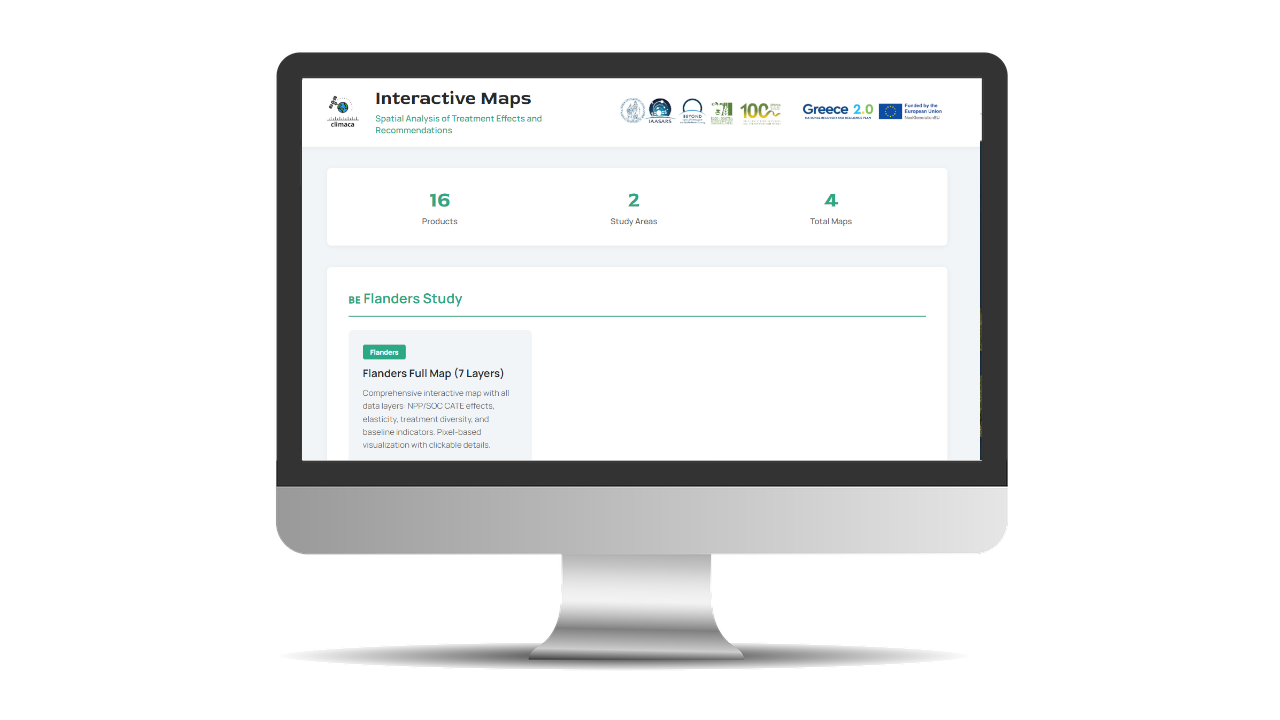
Building on this foundation, CLIMACA stands as the last flagship project of the Agrihub that integrates Earth Observation data, Deep Learning, and Causal Inference, spanning the full spectrum from crop classification, agricultural practice detection, and intensification mapping to heterogeneous treatment-effect estimation and impact assessment of agricultural interventions. Together, these agricultural monitoring and causal assessment solutions form a comprehensive decision-support ecosystem that strengthens sustainable development, improves agricultural productivity, and enables national and pan-European agricultural governance.
Spyros Theodoridis, sp.theodoridis@noa.gr
Iasonas Tsardanidis, j.tsardanidis@noa.gr
Ilias Tsoumas, i.tsoumas@noa.gr